
Medical assistance can help eligible people, but Zakat eligibility depends on the recipient and the distribution arrangement. Paying a hospital directly is not automatically valid merely because the patient is poor. Ownership, authorisation and agency requirements should be explained under the scholarly method used.
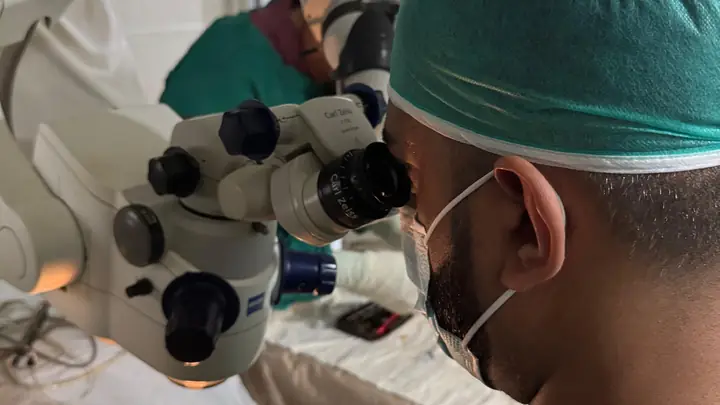
The patient and the payment process
First establish whether the intended recipient qualifies under the relevant Zakat categories. Then establish how the funds are transferred or used on that person’s behalf. A charity’s poverty assessment and a medical diagnosis answer different questions.
Ask about ownership and agency
Some approaches require the eligible recipient to take ownership, or validly authorise an agent to receive and spend the funds. A hospital-direct payment can therefore need more than a named invoice. Ask for the organisation’s documented scholarly process instead of assuming a no-cash model settles every condition.
Treatment costs and outcomes
A programme’s estimated cost is not a guarantee of a particular patient outcome. Cataract surgery and cancer care require individual clinical assessment. Donations should be described as funding or contributing to care, not as automatically purchasing a cure.
World Aid Network programme details
See the main site’s eye surgery information and cancer programme. Confirm the current eligibility and distribution process before designating a donation as Zakat. Use Sadaqah where that matches your intention and the programme’s needs.
Sources & calculation method
These sources inform this guide. A linked source does not endorse this site, and its publication date may differ from this page’s update date.
Scholarly methods can produce different results. See the method choices that affect a Zakat estimate and our editorial policy. This is educational guidance, not a personal ruling or a claim of named scholarly review.
To cite this guide: “Can Zakat fund medical treatment?”, World Aid Network, updated 8 September 2026, https://zakat-calculator.org.uk/zakat-eligible-medical-treatment